
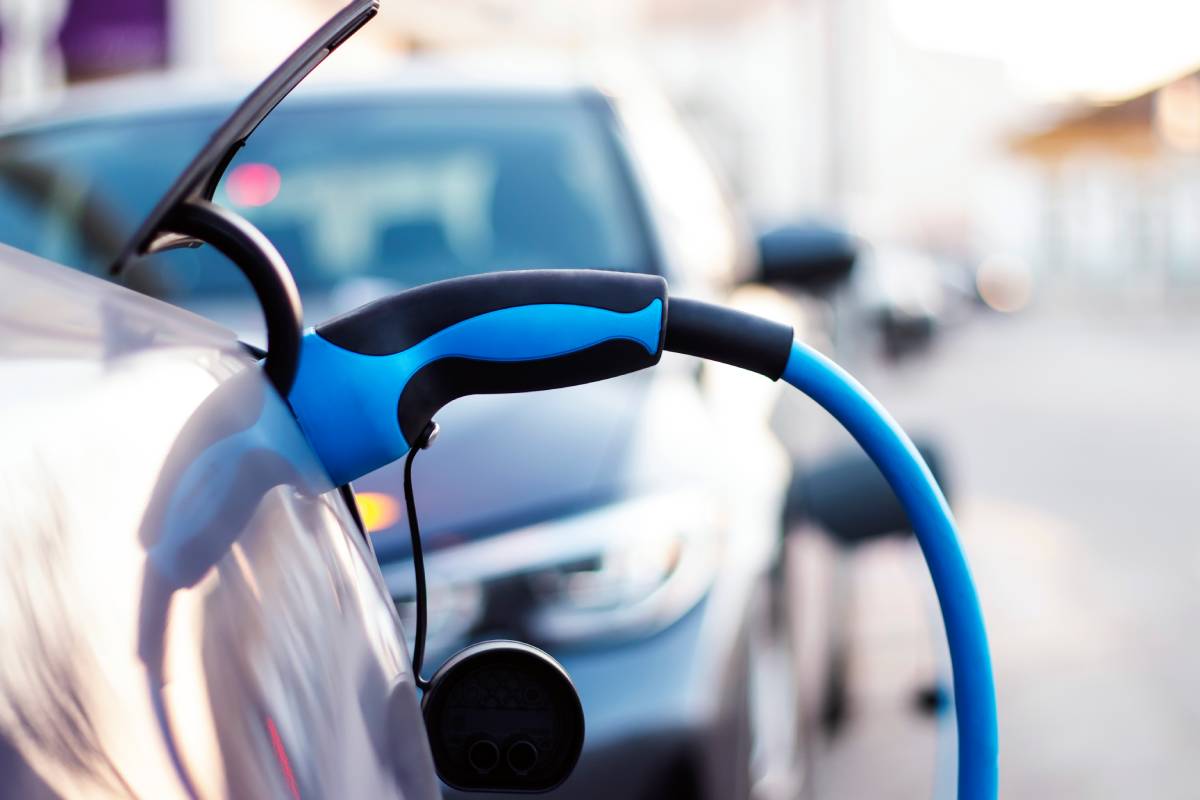
Electric Vehicles and Rust Check: Do EVs Really Need Rust Control in Canada?
Electric vehicles are becoming more common across Canada every year. Whether you’re driving a Tesla, a Nissan LEAF, a Ford Lightning, a Kia EV6, or you’re thinking of switching to an EV soon, you’re probably wondering something most people don’t talk about:
Do electric vehicles actually need rust control? Or are EVs naturally immune to rust?
It’s a fair question. EVs have fewer fluids, fewer moving parts, no muffler, and no engine block. Many drivers assume that means less rust-or even no rust at all.
But here’s the truth most dealerships won’t say out loud:
EVs are absolutely vulnerable to rust, and in some areas, they can rust even faster than gas vehicles-especially in Canadian conditions.
And because EV parts are more integrated, more sensitive, and more expensive, rust on an EV can cost far more to fix.
This article breaks down every major concern Canadians have about EV rust protection-from batteries, wiring, warranties, sensors, underbodies, salt exposure, maintenance costs, and whether Rust Check is truly safe for EVs.
Everything here is written for the everyday driver-simple language, practical insights, and tips you can actually use.
Table of Contents
- Key Takeaways
- Why Electric Vehicles Still Need Rust Control in Canada
- What Parts of an Electric Vehicle Can Rust? (A Detailed Breakdown)
- EV Wiring and Sensors: The Biggest Owner Concern
- Does Rust Proofing Void My EV Warranty?
- How Rust Check Protects EVs (Detailed, Practical Explanation)
- Why EVs Can Rust More Easily Than Gas Cars (More Details)
- Ontario Is One of the Worst Places in North America for EV Rust
- How Often Should You Rust Proof an Electric Vehicle?
- 7 EV-Rust FAQs
- Conclusion
Key Takeaways
- Yes, EVs need Rust Control just as much as gas vehicles in Canada.
- Road salt doesn’t care whether your vehicle is electric or gas-powered.
- EV battery trays, frames, and rocker panels are made of steel-rust loves steel.
- Rust around the battery tray is very expensive to fix.
- Rust Check is fully EV-safe, non-drip, non-conductive, and sensor-friendly.
- Rust Proofing helps prevent corrosion in places you can’t see (or reach).
- Ontario drivers face some of the harshest rust conditions in all of North America.
- Yearly Rust Protection is typically recommended for long-term EV health.
- Good rust control = better safety, better trade-in value, and fewer surprise costs.
Why Electric Vehicles Still Need Rust Control in Canada
Let’s start with the biggest misconception Canadians have about EVs:
“EVs don’t have engines, so they can’t rust as much.”
Rust has nothing to do with engines.
Rust comes from steel + moisture + salt.
And Canadian winters are a perfect recipe for corrosion.
Why EVs are not rust-proof by design
Most EVs still use:
- Steel subframes
- Steel supports for battery packs
- Steel suspension mounts
- Steel rocker panels
- Steel motor housings
- Steel door components
- Steel weld points
EVs also use large metal battery trays-these are usually aluminum or steel, but even aluminum can corrode when exposed to winter road salt.
EVs experience more salt spray than many gas vehicles
The flat, aerodynamic underside of most EVs creates a unique problem:
Salt and slush accumulate and get trapped under the vehicle.
Combine that with:
…and EVs face significant corrosion risks.
What Parts of an Electric Vehicle Can Rust? (A Detailed Breakdown)
This is where most EV buyers get surprised.
Here are the exact components that commonly rust:
1. The Underbody and Battery Housing
The battery pack is the most valuable and sensitive part of an EV. It’s surrounded by:
- Metal supports
- Cooling plates
- Bolted panels
- Shielding
- Mounting brackets
Salt spray hits these areas constantly.
Without Rust Protection, corrosion around the battery casing can become:
- A structural risk
- A safety concern
- An extremely expensive repair
- A cost that manufacturers may not cover under warranty
2. Rocker Panels (The Silent Rust Zone)
Rocker panels catch:
- Slush
- Salt
- Moisture
EV rocker panels often house wiring harnesses. When corrosion eats through rocker panels, it can expose cables and eventually affect sensors or doors.
3. Suspension and Brake Components
EVs are heavier due to the battery pack.
Heavier weight = more stress on:
- Steel control arms
- Subframe joints
- Mounting brackets
- Brake shields
Rust spreads faster under pressure and moisture.
4. Wheel Wells and Weld Seams
Salt-packed snow sits in the wheel wells for hours.
Welded seams inside the wells are extremely rust-prone.
These are the spots that Rust Check penetrates deeply.
5. Door Bottoms, Trunk Areas, and Drain Channels
Electric or not, these areas trap moisture and salt.
Door bottoms rust from the inside out-often unnoticed until too late.
Rust Protection prevents the slow spread you can't see.
EV Wiring and Sensors: The Biggest Owner Concern
(And why Rust Check is safe)
A lot of EV owners hesitate because they’re afraid rust-proofing sprays will damage:
- High-voltage wiring
- Sensors
- Cameras
- Connectors
- Charging components
This is a valid concern-but not with Rust Check.
Here’s why:
Rust Check is Non-Conductive
It does not interfere with electrical signals or high-voltage circuits.
Rust Check Does Not Trap Moisture
Some older spray types harden or trap water behind them-not Rust Check.
Rust Check Will Not Damage Sensors
It’s safe for:
- Parking sensors
- Radar sensors
- Battery sensors
- ADAS cameras
- Proximity detectors
Rust Check Does Not Affect Charging Systems
Coating does not spread to charging ports or interfere with charging electronics.
Does Rust Proofing Void My EV Warranty?
(The #1 fear EV owners have)
Short answer:
Rust Check treatments do NOT void EV warranties.
Here’s why:
- Rust Check does not modify structural components.
- It is not invasive.
- It does not interfere with electronics.
- It does not seal or block drainage areas.
- It is recommended by many dealerships across Canada.
Manufacturers only void warranties for:
- Drilling into battery casings
- Modifying wiring
- Using conductive or harmful coatings
Rust Check does none of these.
Most EV owners don’t realize this, but:
EV corrosion repairs are often NOT covered under warranty anyway.
That's why proactive Rust Protection is smart, not risky.
Looking for reliable rust protection in Ontario without the dealership gimmicks? RustCheck makes it simple. Protect your car with a treatment that’s trusted by Canadian drivers.
How Rust Check Protects EVs (Detailed, Practical Explanation)
Rust Check isn’t a thick, tar-like undercoating.
It’s a thin, creeping, EV-safe formula that:
- Flows into tight seams
- Prevents air and moisture contact
- Lubricates metal joints
- Stops rust from forming
- Neutralizes existing corrosion
- Is safe for sensors and electronics
Here’s what makes it ideal for EVs:
1. High Penetration
EVs have tight welds and channels. Rust Check seeps into:
- Battery tray seams
- Rocker panel seams
- Door edges
- Trunk seams
- Weld points
Thick coatings cannot reach these areas.
2. No Hard-Shell Coating
Hard coatings crack over time, trapping water underneath.
Rust Check stays flexible.
3. No Drip, No Mess
It won’t drip onto:
- Wiring
- Battery components
- Charging connectors
4. Environmentally Friendly Formulas
Designed for Canadian conditions and vehicle safety standards.
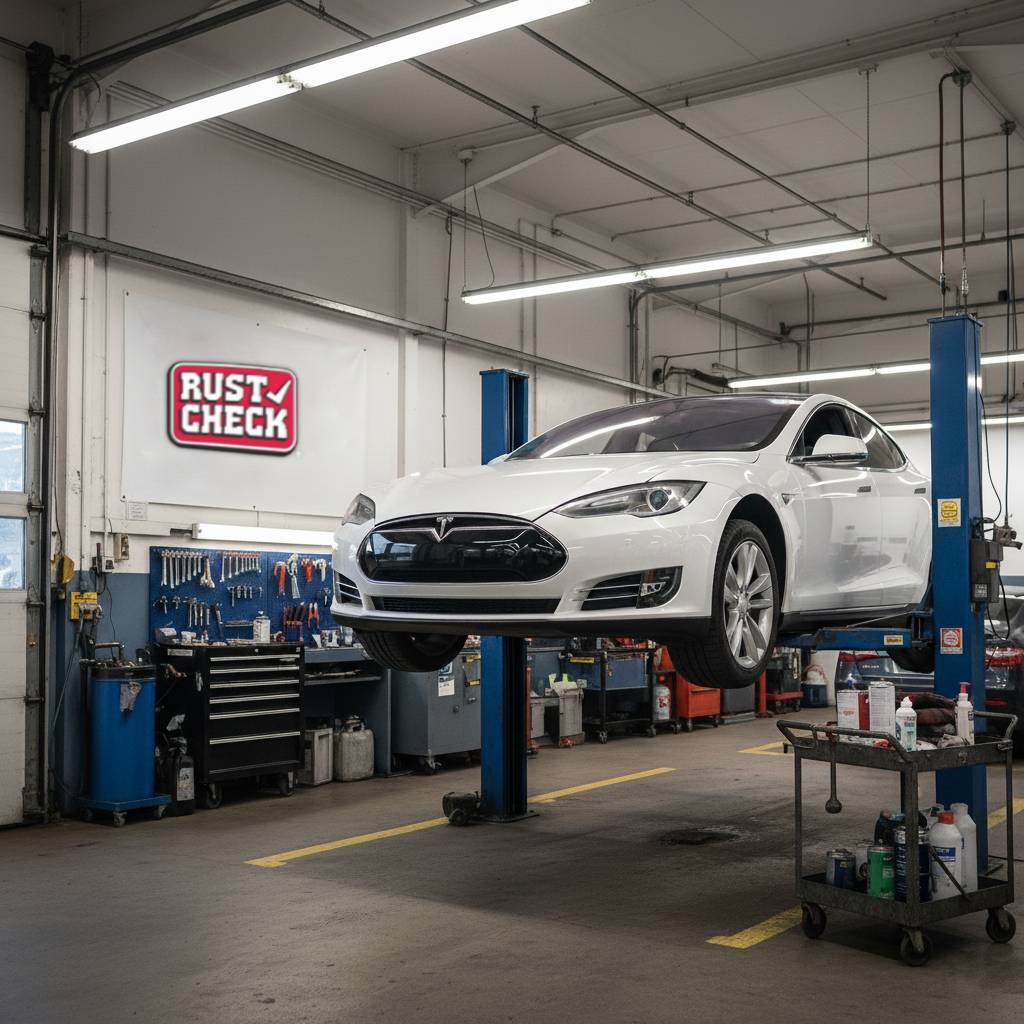
Why EVs Can Rust More Easily Than Gas Cars (More Details)
This might feel strange, but it’s true.
Here’s why EVs sometimes rust faster:
1. EVs Don’t Generate Underbody Heat
Gas engines heat the frame, helping evaporate moisture.
EVs stay cool. That means:
- More moisture
- Longer salt exposure
- Slower evaporation
2. EVs Weigh More
Heavier weight pushes salt deeper into metal components.
3. Flat Underbody Creates Salt Pockets
Salt collects on shields and stays there longer.
4. EV anti-rust coatings are often thin
Manufacturers focus on efficiency, not heavy anti-corrosion coatings.
5. Aluminum still corrodes in Canada
Many EV owners don’t know aluminum can corrode when exposed to salt.
Ontario Is One of the Worst Places in North America for EV Rust
Ontario’s climate is especially harsh:
- Long winters
- Heavy salting
- Repeated freezing and thawing
- Wet springs
- High summer humidity
"Rust proofing near me Ontario" isn’t just a trendy search-it's a necessity.
Ontario’s road salt is so aggressive that even brand-new vehicles can start developing corrosion within one winter season.
- Rust Check vs. Dealer Packages: Which Is Better Value?
- Rust Control Maintenance Tips: How to Extend the Life of Your Rust Protection?
- Rust Check vs. Other Rust Control Brands in Canada
- Rust Proofing Near Me: Why Rust Check Is Canada’s Trusted Choice
How Often Should You Rust Proof an Electric Vehicle?
Brand-New EV:
Apply Rust Check as early as possible for maximum protection.
Used EV:
Get an inspection, then treat immediately.
Every EV:
A yearly Rust Control application is ideal for Canadian conditions.
Rust Check is designed for annual refreshers to maintain strong protection.
7 EV-Rust FAQs
- Do EVs need rust proofing?
EVs still face heavy salt exposure and can rust in Canadian winters.
- Is Rust Check safe for EV electronics?
Yes. It’s non-conductive and won’t harm sensors, wiring, or batteries.
- Can battery tray rust cause issues?
Yes. Corrosion around the tray is costly and needs early protection.
- When should I rust proof a new EV?
As early as possible to keep metal clean and prevent future corrosion.
- Will rust proofing void my warranty?
No. Rust Check is EV-safe and does not affect manufacturer warranties.
- What parts rust fastest on EVs?
Underbody, battery tray seams, rocker panels, suspension, and doors.
Once a year, especially in salt-heavy regions like Ontario and Quebec.
Conclusion: Rust Protection Is Essential for Every EV on Canadian Roads
Electric vehicles may be the future, but Canadian winters haven’t changed. Salt, slush, grime, humidity, and freezing temperatures continue to corrode metal parts-electric or not. And because EV parts are more integrated and costly, preventing rust is more important than ever.
Whether you drive a Tesla, Hyundai, Kia, Chevrolet, Ford, or Volvo EV, Rust Check provides EV-safe, long-lasting Rust Control that protects your investment without affecting electronics or warranties.
Why Canadian Drivers Choose RustCheck.ca - Proven Rust Protection for Every Season
For more than 50 years, RustCheck.ca has helped drivers across Canada defend their vehicles from rust, salt, moisture, and harsh winter roads. From everyday commuters to commercial fleets, our rust proofing and rust control services extend vehicle life, improve resale value, and give you confidence on the road.
Our Services Include:
- Rust Check Body Panel Protection - Canada’s trusted liquid rust inhibitor since 1973.
- Coat & Protect Undercarriage Treatment - A premium corrosion barrier built for long-term durability.
- Two-Step Rust Check Application - Customized protection for both body panels and undercarriage components.
- Fleet, Truck & Trailer Rust Control Programs - Cost-effective rust protection for business, municipal, and government vehicles.
- New Vehicle Rust Protection - Stop corrosion before it begins.
- Specialty Vehicle Programs - Tailored protection for ambulances, cranes, heavy equipment, and commercial units.
- Seasonal Vehicle Care Resources - Expert blogs, guides, and tips to help you stay ahead of rust year-round.
With Rust Check locations across Canada, finding a dealer near you is quick and easy. Browse our nationwide dealer network to book your appointment and keep your vehicle protected-no matter where you drive.
Whether you want to safeguard your daily vehicle, keep your work fleet dependable, or protect a brand-new purchase, RustCheck.ca delivers the experience, technology, and nationwide support you need to stay one step ahead of rust.