

Keeping your vehicle safe and reliable in Canada isn’t just about oil changes, winter tires, and regular inspections. One of the most overlooked but crucial parts of car care is rust proofing. If you’ve ever noticed small patches of rust around your wheel wells or undercarriage, you already know how quickly our climate can turn a tiny spot into a major headache.
But here’s the big question most Canadian drivers ask: When is the best time of year for rust proofing, rust control, or a Rust Check treatment?

Rustproofing your vehicle is one of the most essential yet often overlooked aspects of car maintenance, especially in Canada’s challenging climate. From freezing temperatures to salt-covered roads, the conditions here can wreak havoc on your car’s undercarriage, leading to costly repairs and an early breakdown. However, there’s a lot of confusion around the topic of rustproofing and rust protection.
Many myths about rustproofing treatments persist, leaving Canadian drivers unsure about what they really need to do to protect their vehicles. Let’s uncover the truth about these myths and help you make an informed decision about rust control and rust prevention.

As a Canadian driver, you're no stranger to the constant battle your vehicle faces against the elements. With long winters, salt-treated roads, and moisture in the air, rust is an inevitable challenge. Rust can eat away at your car’s body and undercarriage, leading to expensive repairs and reduced vehicle life.
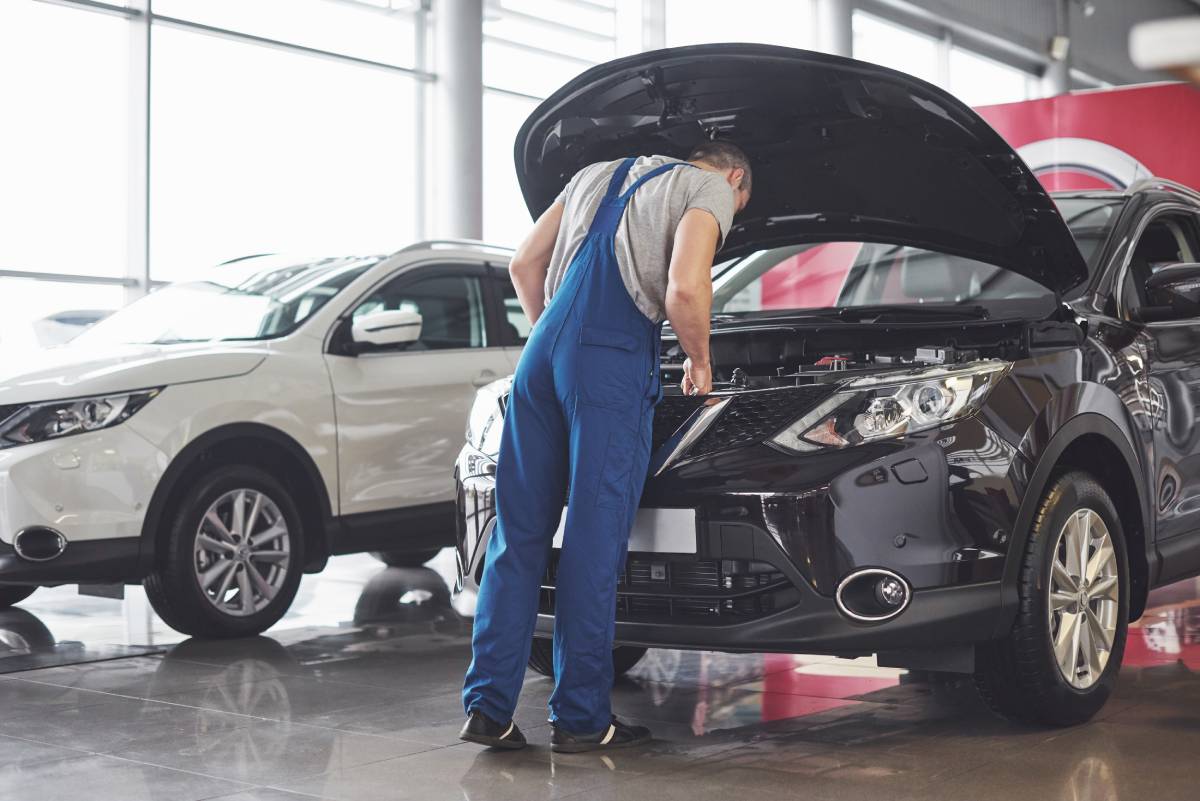
Rust: the silent car killer nobody wants to talk about (but everyone secretly fears). It’s the automotive version of termites-out of sight, out of mind, until suddenly you’re wondering if the floor of your car is supposed to feel… spongy. Spoiler: it’s not.
Here’s the ugly truth. Salt and road chemicals don’t care if you drive a ten-year-old beater or a brand-new SUV. If it’s made of metal, it’s vulnerable. And the scary part? Rust doesn’t politely knock on the door-it slips in like an uninvited guest and starts eating away at the very bones of your vehicle.
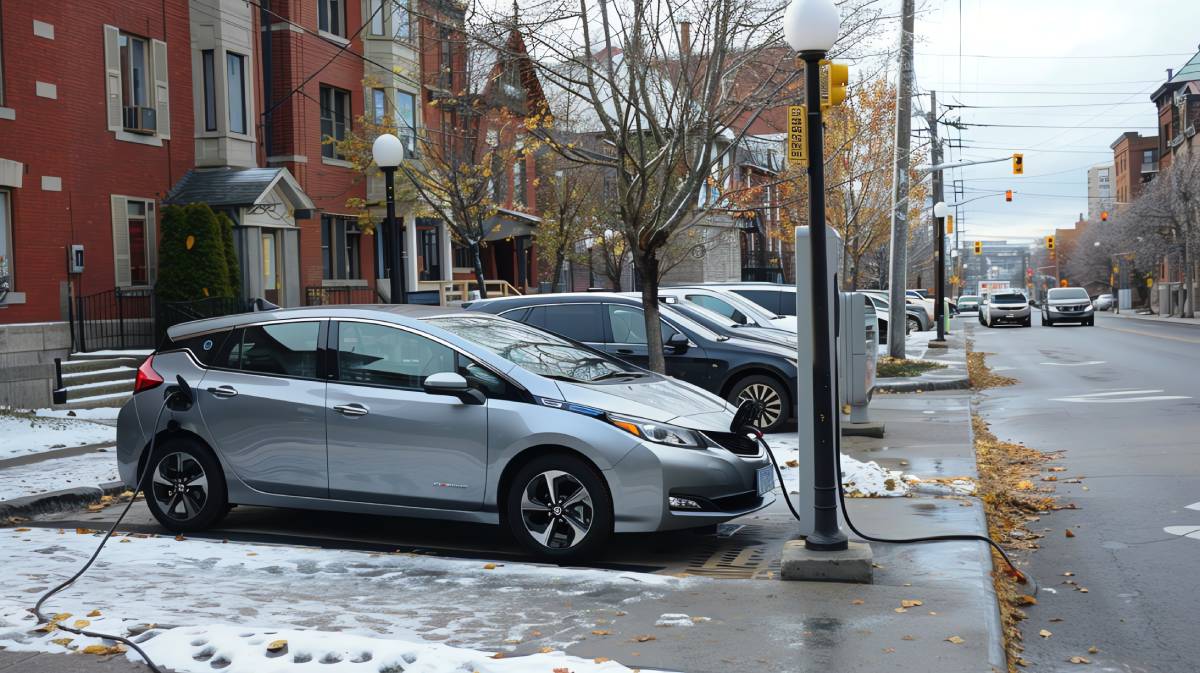
EVs may be electric, but their bodies still live in the real world-rain, salt, slush, and rust don’t care about your battery pack.
That’s the uncomfortable truth people don’t hear when they’re dazzled by the sleek lines of a Tesla Model 3 or patting themselves on the back for finally “breaking up” with the gas pump. EVs are a win for the environment (sort of), a win for your wallet (depending on hydro rates), and definitely a win for dinner-party bragging rights. But here’s the elephant in the garage: EVs rust, same as every other hunk of metal on four wheels.

Rust is not only a cosmetic issue; it’s a financial and safety concern that every Canadian vehicle owner eventually faces. Corrosion weakens metal, damages structural components, and reduces the value of a car. With Canada’s combination of long winters, heavy road salt, humidity, and in some regions, salty ocean air, the risk of rust is significantly higher than in many other countries.